The international transport Belgium plays a crucial role in the country’s economy, due to its strategic geographical position in Europe. Located at the heart of the continent, Belgium is an important transit point for goods coming from various corners of the world. This dynamic sector includes road, rail, maritime, and air transport, each having a unique importance in the international logistics chain.
Importance of Road Transport
Road transport is one of the most commonly used means of transport in Belgium for international exchanges. The Belgian road network is very dense and well-maintained, allowing for efficient movement of goods. Moreover, Belgium has direct road connections with its European neighbors, thus facilitating intra-European trade. Logistics companies often use trucks to transport goods to the Netherlands and Luxembourg. Belgian carriers play a key role in maintaining the fluidity of trade within the European Union.
The Role of Rail Transport
Rail transport in Belgium is also an essential pillar of international transport. Thanks to a dense and well-developed rail network, the country enables efficient connections with other European countries. SNCB, the National Railway Company of Belgium, is a major player in this sector, providing freight services that connect major industrial and port hubs. Freight trains are often preferred for transporting large volumes over long distances, thus contributing to cost reduction and lower carbon emissions.
Belgian Ports: Strategic Hubs
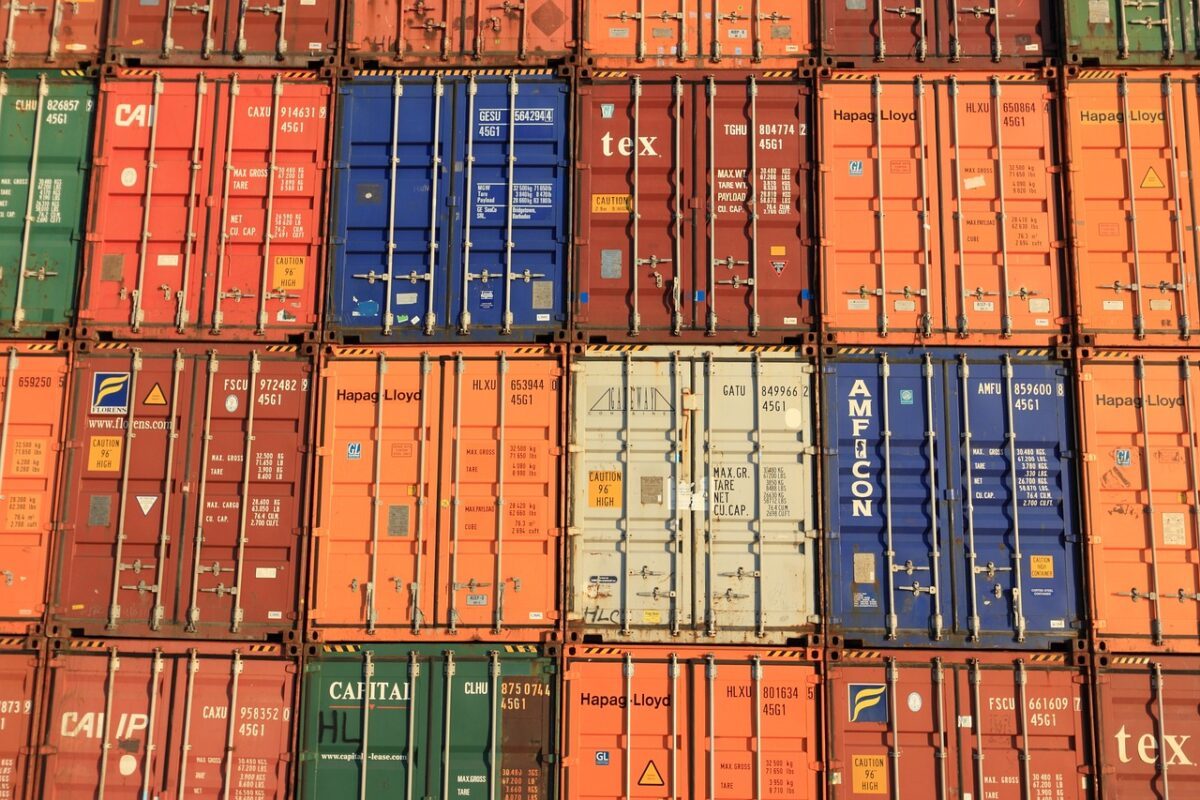
Belgian ports, particularly those in Antwerp and Zeebruges, are important hubs for international maritime trade. The port of Antwerp is the second largest port in Europe, after Rotterdam, and plays a crucial role in the import and export of goods. It is particularly renowned for its efficient handling of containers, chemicals, and petroleum products. The port of Zeebruges, on the other hand, specializes in roll-on/roll-off traffic and vehicles, as well as refrigerated products and bulk goods. These ports offer direct maritime links to Asia, America, and Africa, thus facilitating global trade.
Air Transport: Speed and Efficiency
Air transport is another vital component of international transport in Belgium. The airports of Brussels, Liège, and Charleroi are essential entry and exit points for high-value goods and time-sensitive merchandise. Brussels Airport, also known as Brussels Airport, is the largest airport in the country and a major hub for air freight in Europe. It offers direct connections to key international destinations and has advanced infrastructure for the rapid and secure handling of cargo.
Challenges of International Transport
Despite its many advantages, the international transport sector in Belgium faces several challenges. Road congestion is one of the main issues, particularly around major urban centers and port areas. Additionally, the pressure to reduce carbon footprints pushes transport companies to adopt more sustainable practices and cleaner technologies. Digitalization and technological innovation are also crucial for improving the efficiency and traceability of logistics operations.
Future Perspectives
The future of international transport in Belgium is promising, with ongoing investments in infrastructure and technology. Modernization projects for ports, expansion of rail capacities, and improvement of air services are initiatives aimed at strengthening Belgium’s position as an international logistics hub. Furthermore, the integration of digital solutions, such as blockchain and the Internet of Things (IoT), promises to transform supply chains by making them more transparent and efficient.